Source Aluminum Screw Cap Test Tube for Cosmetics, Medicine, Food
Compare 30 aluminum screw cap test tube options from verified Chinese manufacturers. Buyers can evaluate customization, surface treatments, and packaging for cosmetics, medicine, and food applications. These tubes feature flat bottom designs, various volumes, and support OEM services with ISO and CE certifications available for quality assurance.
Key considerations
Products List




Comprehensive Sourcing Guide
Aluminum Screw Cap Test Tube Sourcing Guide
Sourcing aluminum screw cap test tubes requires a nuanced understanding of material compatibility, sealing integrity, and regulatory alignment. These containers serve as critical vessels for high-value or sensitive contents, ranging from pharmaceuticals to specialty chemicals. The aluminum cap provides a robust barrier against moisture and oxygen, while the screw mechanism ensures consistent torque and leak resistance. Buyers must distinguish between standard laboratory glassware and specialized packaging designed for commercial distribution, as the latter often involves stricter quality controls and customization options.
The procurement process involves evaluating both the glass substrate and the metal closure system. Glass type, such as borosilicate or soda-lime, dictates thermal shock resistance and chemical inertness. Meanwhile, the aluminum cap’s liner and coating determine the seal’s efficacy against specific product formulations. This guide outlines the essential verification steps for technical specifications, compliance documentation, and supplier qualifications. By focusing on these core elements, procurement teams can mitigate risks associated with product degradation, seal failure, or regulatory non-compliance during transit and storage.
Product Scope and Observed Listing Signals
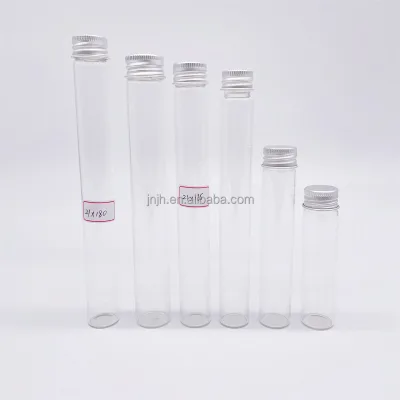
Market listings for aluminum screw cap test tubes reveal a diverse range of configurations tailored to specific industrial needs. Common product names include flat bottom glass test tubes with screw caps, often available in volumes ranging from 4ml to 125ml. The glass body may be made from borosilicate or standard glass, with diameters typically customizable between 19mm and 40mm. Heights vary significantly, often spanning from 90mm to 200mm, allowing for flexible packaging designs. These dimensions are critical for fitting into automated filling lines and retail displays, making precise measurement verification a priority during the sourcing phase.
Surface treatments and customization options are prominent features in current market offerings. Screen printing and offset printing are frequently applied to the glass surface for branding or labeling purposes. Caps are available in silver, gold, or custom colors, with various nozzle and cap configurations to suit different dispensing needs. Some listings highlight OEM availability, indicating that manufacturers can produce branded packaging for private label clients. Buyers should verify whether the customization supports their specific volume and dimensional requirements, as standard models may not accommodate unique product shapes or filling volumes.
Technical Specifications to Verify
The integrity of the seal is paramount, requiring verification of the screw cap’s threading and liner material. The sealing type is typically a screw cap, but the internal liner composition must be compatible with the product’s chemical properties. For acidic or alkaline contents, specific liner materials prevent corrosion and seal failure. Additionally, the inner coating of the glass tube should be evaluated to ensure it does not interact with the product. Various coatings are available, and buyers must confirm that the chosen coating maintains the product’s stability and purity over its shelf life.
Glass formation processes also influence the final product’s quality and durability. Cold extrusion is a common forming process for glass tubes, offering precision and consistency in wall thickness. Buyers should request technical data sheets that detail the glass type, such as USP Type I, which indicates high chemical resistance. The collar material, often glass or aluminum, must be inspected for structural integrity. Furthermore, the presence or absence of additional features like reed diffusers should be confirmed, as these alter the product’s functionality and packaging requirements.
Compliance and Safety Documentation
Regulatory compliance is non-negotiable for products intended for medical, cosmetic, or food applications. Buyers must verify that suppliers hold relevant certifications, such as ISO and CE, which indicate adherence to quality management and safety standards. For pharmaceutical-grade glass, USP Type I certification is essential, ensuring the glass meets strict pharmacopeial requirements for chemical resistance and hydrolytic stability. Documentation should include test reports from accredited laboratories, confirming that the glass and aluminum components do not leach harmful substances into the product.
Additional standards may apply depending on the product’s end-use. For instance, FSC certification might be relevant if the packaging involves paper-based components, though this is less common for glass and metal tubes. Buyers should also check for SGS testing results, which provide independent verification of product safety and quality. It is crucial to ensure that the supplier’s documentation is up-to-date and covers the specific batch or production run. Missing or outdated certifications can lead to regulatory hurdles, product recalls, or rejection by downstream customers in regulated industries.
Cost Drivers and Commercial Terms
Pricing for aluminum screw cap test tubes is influenced by material costs, customization complexity, and order volume. Observed price ranges vary widely, reflecting differences in glass quality, cap design, and printing requirements. Minimum order quantities (MOQs) can range from small trial orders to large industrial batches, impacting the unit cost significantly. Buyers should negotiate pricing based on volume tiers, as larger orders often benefit from economies of scale in production and packaging. Understanding the cost structure helps in budgeting and comparing quotes from different suppliers accurately.
Commercial terms also include packaging and logistics details. Products are typically packed in cartons and pallets, with some suppliers offering cellular tray packaging and shrink-wrapping for enhanced protection. The loading port, often Ningbo Port for Chinese suppliers, affects shipping costs and lead times. Buyers should clarify who bears the responsibility for freight and insurance, as well as the expected lead time from order placement to delivery. Clear communication of these terms prevents unexpected costs and ensures timely receipt of goods, which is critical for maintaining supply chain continuity.
Supplier Qualification and Quality Control
Evaluating supplier qualifications involves assessing their manufacturing capabilities and quality control systems. Suppliers should demonstrate experience in producing glass and aluminum packaging, with a track record of meeting industry standards. Buyers should request samples to verify the physical quality of the tubes, including the smoothness of the glass surface, the precision of the screw threads, and the consistency of the cap fit. Visual inspection of printing quality and color accuracy is also essential to ensure brand alignment.
Quality control processes should include routine testing for seal integrity, chemical resistance, and dimensional accuracy. Buyers should inquire about the supplier’s defect rate and their procedures for handling non-conforming products. A robust quality management system, certified by ISO or similar bodies, indicates a commitment to consistent quality. Additionally, suppliers should provide traceability information, allowing buyers to track batches back to production dates and raw material sources. This level of transparency is vital for addressing any quality issues that may arise post-delivery.
Long-Term Procurement Checks
Sustaining a reliable supply chain requires ongoing monitoring of supplier performance and product quality. Regular audits of the supplier’s facilities and quality control processes help identify potential issues before they impact production. Buyers should establish key performance indicators (KPIs) for delivery times, defect rates, and responsiveness to issues. Continuous feedback loops with the supplier facilitate improvements and ensure that both parties remain aligned on quality expectations and operational efficiency.
Adaptability to market changes is another critical factor. As regulations evolve or product formulations change, suppliers must be able to adjust their offerings accordingly. Buyers should maintain open communication with suppliers to stay informed about new materials, technologies, or compliance requirements. Building a long-term partnership based on trust and mutual benefit can lead to better pricing, priority production slots, and collaborative innovation. This strategic approach ensures that the procurement of aluminum screw cap test tubes remains efficient, cost-effective, and compliant over time.
FAQs
What materials are used for the cap and collar?
The cap is made of aluminum, while the collar is constructed from glass. This combination ensures a secure seal and durability. The aluminum cap is available in silver, gold, or customized colors to meet specific branding requirements. This material pairing is suitable for various industrial uses including cosmetics and chemical storage.
Can the product be customized for specific brands?
Yes, customization is available for this product. Buyers can request specific logo printing, custom cap colors, and tailored packaging solutions. The manufacturer supports OEM services, allowing for unique branding. Custom dimensions and nozzle types can also be arranged to fit particular product requirements, ensuring the final output matches brand identity.
What certifications does the glass tube hold?
The product holds ISO and CE certifications, indicating compliance with international quality and safety standards. Some listings also mention FSC certification. These credentials assure buyers of the manufacturing quality and regulatory adherence. The product standard is also noted as SGS, providing additional assurance for medical and food-grade applications requiring strict compliance.
What are the typical volume options available?
Standard volume options include 30ml, 40ml, and 60ml models. The customizable volume range extends from 4ml to 125ml. This flexibility allows buyers to select the exact capacity needed for their specific product formulations. The diameter can also be adjusted between 19mm and 40mm to accommodate different liquid viscosities and dispensing needs.
How is the product packed for shipping?
The product is packed in cartons and pallets for bulk shipping. For smaller quantities or specific requirements, cellular tray packaging with shrink-wrap is also available. This ensures the glass tubes are protected during transit. The packing method is designed to prevent breakage and maintain the integrity of the flat-bottom glass test tubes throughout the supply chain.
What surface treatments are applied to the tubes?
Surface treatments include screen printing and offset printing. These methods allow for high-quality branding and labeling directly on the glass. The inner coating can also be customized based on the product inside, ensuring chemical compatibility. This versatility supports various applications, from cosmetics to medical and chemical storage, ensuring product safety and brand visibility.